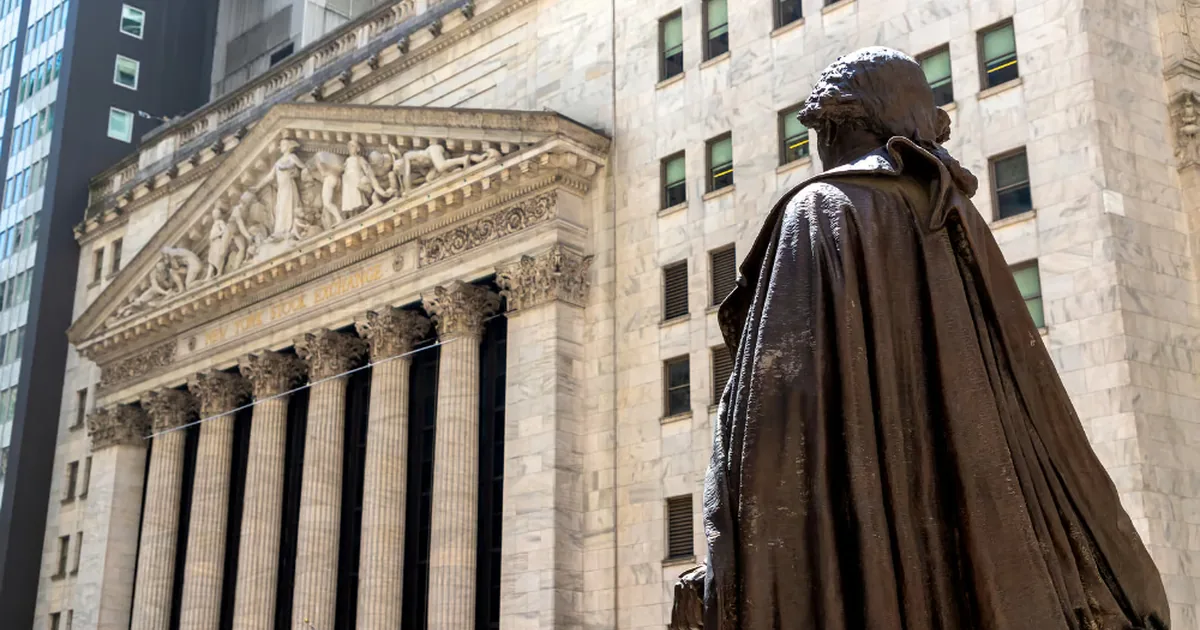
Cango Inc. is scrambling to raise capital after its stock price dropped below $1 — triggering the NYSE's continued listing standards that give companies a limited window to cure the deficiency or face delisting. This isn't just a corporate finance story. If your firm holds positions in or recommends securities approaching these thresholds, you need to be paying attention.
What the NYSE Rules Actually Require
Under NYSE Listed Company Manual Section 802.01C, a company is considered below compliance if its average closing price falls below $1.00 over a consecutive 30-trading-day period. Once notified, the company has six months to bring the price back above $1.00 on the last trading day of any calendar month during the cure period — and maintain a 30-trading-day average above $1.00 at that month-end.
Receive future blog posts by email.
Fail to cure, and the stock gets delisted. The company can appeal, but the clock is ticking from day one of notification.
Why This Matters for Broker-Dealers
If you're running a broker-dealer with retail customers, securities approaching delisting thresholds create several compliance considerations:
- Suitability and Reg BI obligations — Recommending a security at material risk of delisting requires disclosure of that risk. Period. Your reps need to understand the continued listing status of what they're recommending.
- Margin and concentration risk — Securities below $5 often face margin restrictions under Regulation T and firm-specific policies. Securities facing delisting may be moved to cash-only or restricted lists. Is your margin desk watching for this?
- Trade surveillance — Volatile penny stocks and near-delisting securities attract manipulation. Your surveillance systems should be flagging unusual activity in these names.
For RIAs: Fiduciary Considerations
If you're an investment adviser holding a position in a client account that's facing delisting risk, you've got fiduciary disclosure obligations. The question isn't whether the company will fix it — the question is whether your client understands the risk right now. Document your analysis and any communications.
The Broader Pattern
Cango pivoted from an automotive finance business in China to bitcoin mining operations in late 2024. That kind of dramatic business model shift, combined with cryptocurrency market volatility, created exactly the conditions that lead to price deterioration and listing standard failures.
I've seen this pattern before with companies that pivot into hot sectors without the operational infrastructure to sustain investor confidence. The compliance question for firms isn't whether you believe in the company's strategy — it's whether your supervisory systems are catching the warning signs before your customers get hurt.
What You Should Do This Week
Pull a list of any securities in customer accounts or on your recommendation list trading below $5. Cross-reference against exchange notification lists for continued listing deficiencies. If anything shows up, make sure your reps know about it and your disclosures are current. This is basic blocking and tackling, but it's the kind of thing that gets missed until an examiner asks about it.

Subscribe to Regulated Intelligence Brief
Get new compliance intelligence delivered to your inbox.
Key Takeaways
What triggers NYSE delisting procedures for low stock price?
Under NYSE Section 802.01C, if a company's average closing price falls below $1.00 over 30 consecutive trading days, the exchange notifies the company of non-compliance. The company then has six months to cure the deficiency by getting both the closing price and 30-day average back above $1.00 at a month-end.
Do broker-dealers have disclosure obligations for securities facing delisting risk?
Yes. Under Reg BI's best interest standard, a broker-dealer must disclose material facts about a recommended security, and imminent delisting risk qualifies. If you're recommending a security that's received a listing deficiency notice, that needs to be part of the conversation with the customer.
How should RIAs handle existing client positions in near-delisting securities?
Document your analysis of the situation, communicate the risk to affected clients, and make a fiduciary determination about whether the position remains suitable. You don't necessarily need to liquidate, but you do need to show you evaluated the situation and acted in the client's best interest.
The content in this blog is for informational purposes only and does not constitute legal advice, regulatory guidance, or an offer to sell or solicit securities. GiGCXOs is not a law firm. Compliance program requirements vary based on business model, customer base, and regulatory classification.