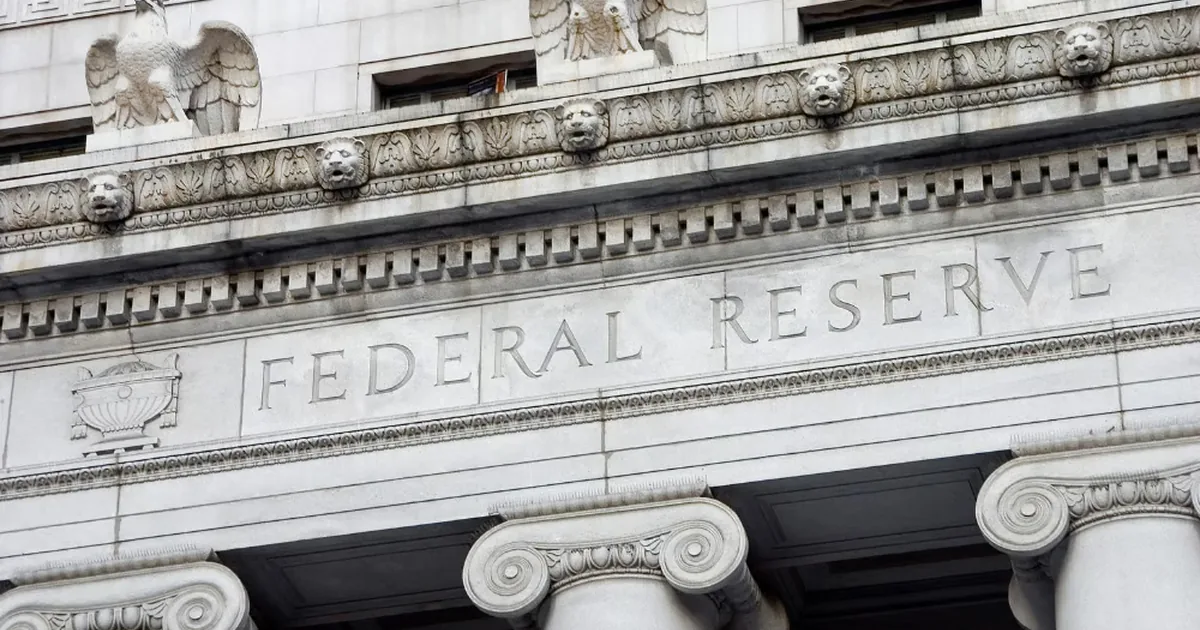
Federal Reserve Vice Chair for Supervision Michael Barr just gave us a window into how the Fed is thinking about stablecoin regulation. His remarks at the Federalist Society on March 31, 2026, came during a panel titled "The GENIUS Act in Practice: Key Questions for Stablecoin Regulation" — and the timing is no accident. Congress is actively debating stablecoin legislation, and the Fed wants its voice heard.
What Barr Actually Said
These were brief remarks, not a detailed policy speech. But the framing matters. Barr positioned the Fed as supportive of a regulatory framework for stablecoins — not hostile to them, but insistent on certain guardrails. That's a meaningful stance for compliance teams to internalize.
Receive future blog posts by email.
The Fed's concerns remain consistent: reserve backing, redemption rights, and prudential oversight. Barr has been clear in prior statements that stablecoins functioning as payment instruments need to be backed one-to-one with high-quality liquid assets. These remarks reinforced that position.
Why This Matters Now
The GENIUS Act is moving through Congress. If it passes, it will establish the first comprehensive federal framework for payment stablecoins. The Fed's input during this legislative process shapes what that framework looks like.
For firms already dealing with stablecoins — or planning to — this is the regulatory weather forecast. The Fed is not going to accept a framework that lacks strong reserve requirements or clear supervisory authority. If your firm's stablecoin exposure assumes looser rules are coming, recalibrate that assumption.
Compliance Implications
- Reserve verification: Expect any federal framework to require independent attestation of stablecoin reserves. Your due diligence on stablecoin issuers should already be asking this question.
- Redemption procedures: The ability of customers to redeem stablecoins for fiat at par is a non-negotiable for the Fed. If you're holding stablecoins on behalf of clients, your procedures need to address what happens if redemption is delayed or impaired.
- Banking nexus: Barr's presence at this event underscores that the Fed sees stablecoins as within its supervisory perimeter when they touch the banking system. Firms with bank affiliations need to be especially attentive to how stablecoin activities are disclosed and managed.
What This Doesn't Tell Us
Barr's remarks were brief. They did not provide detailed guidance on how the Fed would implement supervision under the GENIUS Act or what specific requirements would apply to different types of issuers. Those details are still being negotiated.
This is the frustrating reality of digital asset regulation right now. We have signals, not rules. We have speeches, not releases. Compliance teams are being asked to build programs in an environment where the regulatory endpoint is still moving.
The Bottom Line
The Fed is not opposed to stablecoins. It is opposed to stablecoins without strong prudential oversight. That distinction matters. If your firm is positioning for a world where stablecoins are integrated into mainstream finance, you are probably on the right track. But you need to build your compliance framework assuming robust reserve, redemption, and supervisory requirements — because that is where the Fed is headed.
Watch the GENIUS Act's progress closely. When it moves, you will need to move with it.

Subscribe to Regulated Intelligence Brief
Get new compliance intelligence delivered to your inbox.
Key Takeaways
What specific stablecoin requirements did Barr endorse?
Barr reinforced the Fed's consistent position: one-to-one reserve backing with high-quality liquid assets, clear redemption rights for holders, and prudential oversight. These were not new positions but confirmation that the Fed's stance remains firm as Congress debates the GENIUS Act.
Does this speech create any new compliance obligations?
No. These were remarks at an industry event, not rulemaking. However, they signal where federal requirements are likely to land. Firms should use this as a planning input, not a compliance trigger.
How should firms handling stablecoins prepare for the GENIUS Act?
Start by ensuring your due diligence on stablecoin issuers includes reserve composition and attestation practices. Document your redemption procedures. If you have bank affiliations, coordinate with your banking counsel on how stablecoin activities will be disclosed and supervised.
The content in this blog is for informational purposes only and does not constitute legal advice, regulatory guidance, or an offer to sell or solicit securities. GiGCXOs is not a law firm. Compliance program requirements vary based on business model, customer base, and regulatory classification.