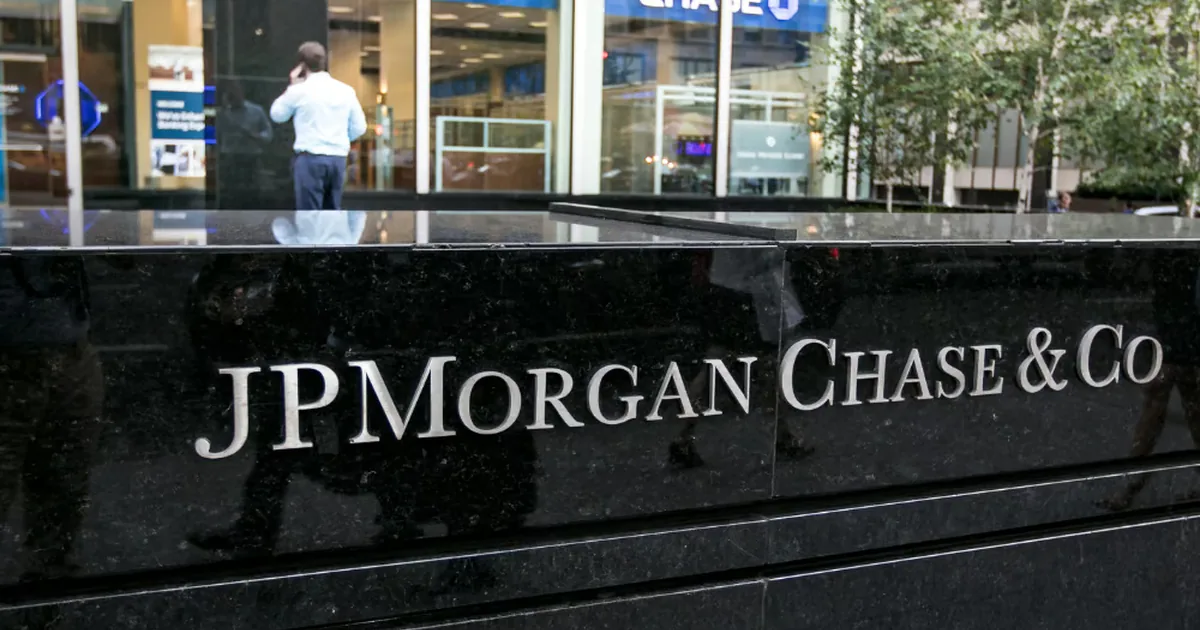
When Jamie Dimon signals that JPMorgan is looking at prediction markets, compliance officers should pay attention. Not because your firm is about to launch a prediction market platform — but because when the largest U.S. bank starts moving into a space, regulatory clarity tends to follow. And right now, clarity is exactly what's missing.
The Landscape Is Shifting Fast
Prediction markets have existed in regulatory gray zones for years. Platforms like Polymarket and Kalshi have been pushing boundaries, with Kalshi winning a notable court battle against the CFTC in 2024 over its election contracts. Now Goldman Sachs reportedly has similar interests. When two of the largest financial institutions signal intent to enter a market, that market stops being experimental and starts being something examiners care about.
Receive future blog posts by email.
The CFTC has primary jurisdiction over event contracts under the Commodity Exchange Act. But the lines blur quickly. If a prediction market contract looks like a security, the SEC has something to say. If it involves retail customers and a broker-dealer touchpoint, FINRA's supervisory expectations apply. If it's offered through a registered investment adviser's platform, fiduciary considerations come into play.
What This Means for Your Compliance Program
Right now, most broker-dealers and RIAs don't need to add prediction markets to their risk assessments. But that's changing. Here's what I'd be thinking about:
- Product due diligence frameworks. If your firm evaluates new products or platforms for clients, prediction markets are going to start showing up. Your due diligence process needs criteria for evaluating event contracts — regulatory status, custody, settlement mechanics, and counterparty risk.
- Advertising and communications. If prediction markets become available through platforms your firm uses or recommends, communications compliance gets complicated fast. The distinction between investing and gambling matters to regulators, even if it doesn't always matter to customers.
- Custody and settlement. Many prediction market platforms operate on blockchain rails. If your firm touches these products, your custody and settlement procedures need to account for that operational reality.
The Regulatory Vacuum Won't Last
The CFTC has been active but inconsistent on event contracts. The SEC has largely stayed quiet. That's going to change. When JPMorgan and Goldman Sachs are publicly interested in a product category, rulemaking follows. The question isn't whether prediction markets will get more regulatory attention — it's how fast and from which direction.
For compliance officers, this is a watch-list item that's moving toward the active-list. I'd recommend flagging prediction markets in your next regulatory horizon review. If your firm has any FinTech partnerships or alternative investment platforms, ask specifically whether they're looking at event contracts.
The Bottom Line
Jamie Dimon's comments don't create any immediate compliance obligations. But they signal where the industry is heading — and compliance programs that anticipate regulatory developments fare better than those that react to them. Start asking questions now.

Subscribe to Regulated Intelligence Brief
Get new compliance intelligence delivered to your inbox.
Key Takeaways
Does my broker-dealer need a prediction markets policy right now?
Not yet, unless you're already offering or recommending platforms with event contract exposure. But this should be on your 2026 regulatory horizon list. When major banks signal interest, rulemaking typically follows within 12-18 months.
Which regulator has jurisdiction over prediction markets?
It's complicated. The CFTC has primary jurisdiction over event contracts under the Commodity Exchange Act. But if a contract looks like a security, the SEC may assert jurisdiction. Broker-dealers touching these products would also be subject to FINRA's supervisory requirements.
How should I handle client questions about prediction market platforms?
Treat them like any unregistered or lightly-regulated product. Document the inquiry, provide factual information about regulatory status (or lack thereof), and ensure any response complies with your firm's communications procedures. Don't recommend products your firm hasn't vetted through its due diligence process.
The content in this blog is for informational purposes only and does not constitute legal advice, regulatory guidance, or an offer to sell or solicit securities. GiGCXOs is not a law firm. Compliance program requirements vary based on business model, customer base, and regulatory classification.