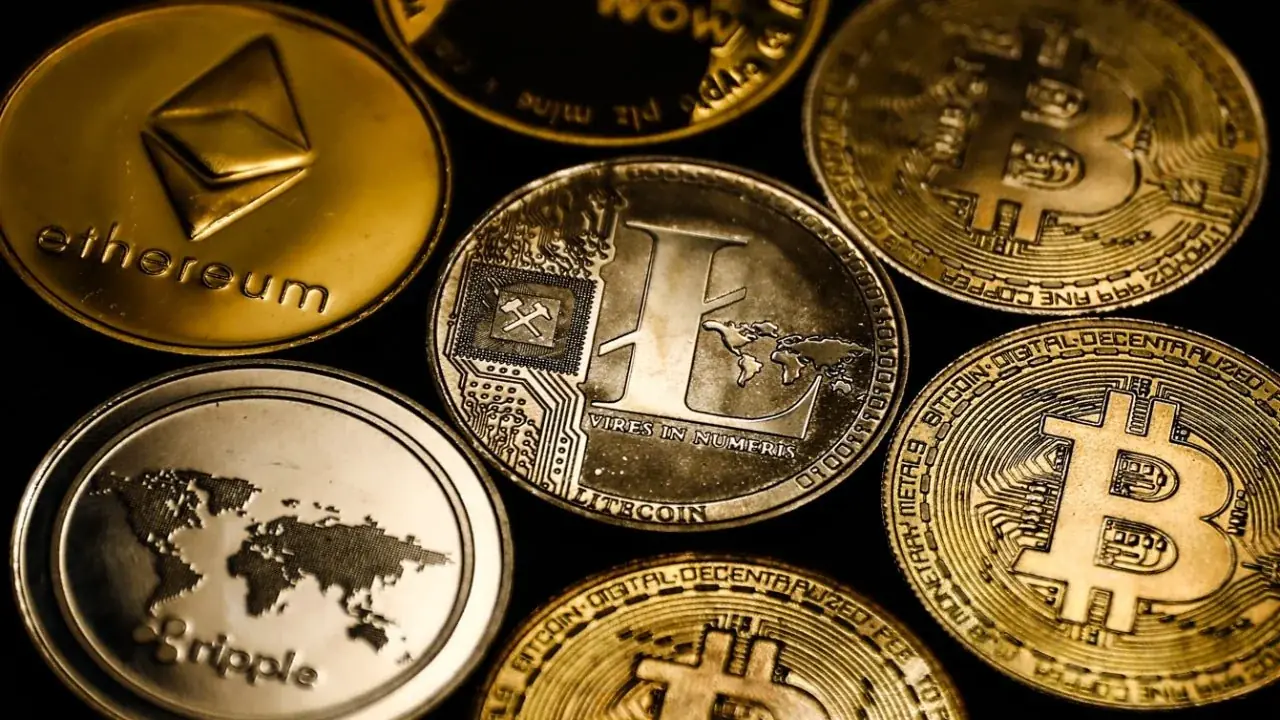
The cryptocurrency world moves fast, and staying compliant with securities laws can feel overwhelming. You're not alone if you're trying to figure out how the Howey Test affects your digital assets.
The Securities and Exchange Commission uses the 1946 Howey Test to determine if something qualifies as a security. This test has four parts: investment of money, common enterprise, expectation of profit, and profits from others' efforts.
Receive future blog posts by email.
The XRP case with Ripple Labs became a landmark battle over this exact issue. The SEC claimed XRP was an unregistered security, while Ripple argued it functions as a currency. This case highlighted how unclear crypto regulations really are.
Why This Matters for Your Business
Not every cryptocurrency automatically becomes a security under the Howey Test. The key factors include how decentralized your network is and whether profits depend mainly on a central party's efforts.
Recent court decisions show regulators take a case-by-case approach. Some tokens might be securities, others could be commodities or currencies. It all depends on your specific use case and business model.
What You Should Do Now
Review your token's characteristics against each Howey Test criterion. Consider how your marketing materials describe potential profits. Document your decentralization efforts and utility features.
Don't wait for enforcement action to address compliance gaps. Proactive planning costs less than reactive damage control. Work with compliance experts who understand both crypto technology and securities law.
The crypto regulatory landscape keeps evolving, but the Howey Test remains central to securities determinations. Understanding these rules protects your business and builds investor confidence.
If you need help navigating crypto compliance requirements, GiGCXOs specializes in regulatory solutions for digital asset companies and FinTech firms.
Frequently Asked Questions
How do I know if my cryptocurrency token is a security?
Apply the four-part Howey Test to your token's characteristics and distribution method. Focus on whether investors expect profits primarily from your team's efforts rather than the token's utility.
What happens if the SEC determines my token is an unregistered security?
You could face enforcement action including fines, cease-and-desist orders, and requirements to register or offer rescission. Early compliance planning helps avoid these costly outcomes.
Can a token's status change from security to non-security over time?
Yes, as networks become more decentralized and tokens develop genuine utility, their regulatory classification may evolve. Courts increasingly recognize this possibility in recent rulings.
Subscribe to Regulated Intelligence Brief
Get new compliance intelligence delivered to your inbox.
The content in this blog is for informational purposes only and does not constitute legal advice, regulatory guidance, or an offer to sell or solicit securities. GiGCXOs is not a law firm. Compliance program requirements vary based on business model, customer base, and regulatory classification.